
USS BOWFIN HISTORY
USS Bowfin (SS-287) is a fleet attack submarine that fought in the Pacific during WWII, and helped to make famous the term, “Silent Service.” Bowfin was launched on 7 December 1942, exactly one year after the attack on Pearl Harbor. She was nicknamed the Pearl Harbor Avenger, so it is fitting that her permanent home is at Pearl Harbor, Hawai’i.
PATROL SUMMARY
In World War II USS Bowfin conducted nine war patrols between 1943 and 1945. War patrols of WWII are similar to what we think of as deployments today. They were periods of about two months where a submarine would patrol a designated region of ocean for Japanese ships or boats. Bowfin served in the Pacific and spent most of her patrols in the South China Sea, Celebes Sea, off the East coast of Japan, and into the Sea of Japan.
Bowfin Timeline
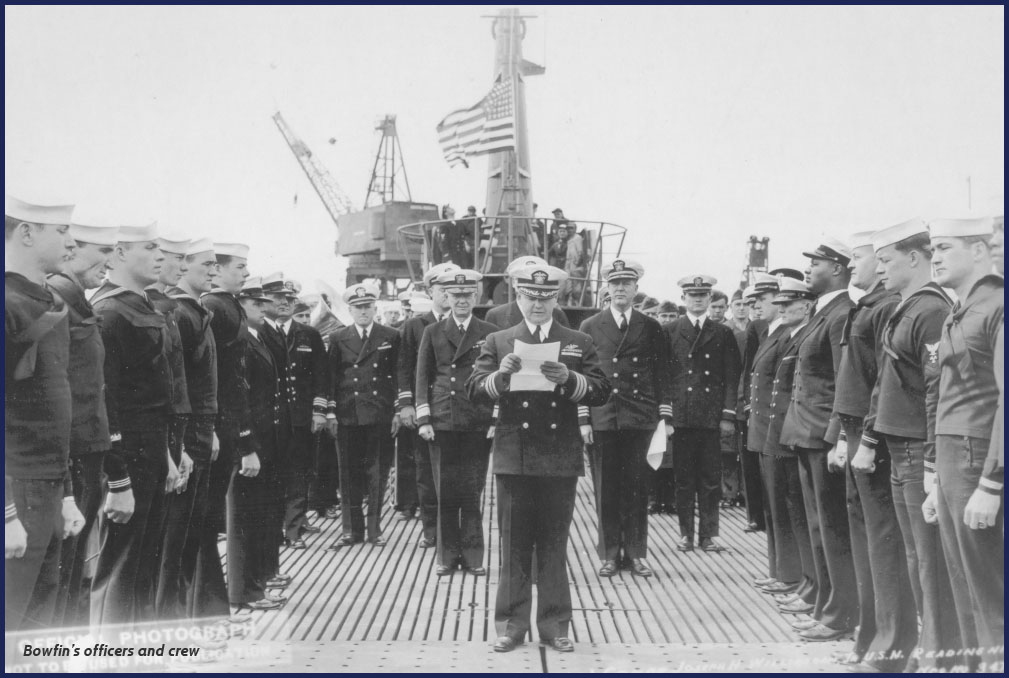
On 15 December 1941, eight days after the Japanese attack on Pearl Harbor, the Portsmouth Navy Yard was given the order to start construction on the new Balao class fleet submarines. The third boat of the class was to bear the name USS Bowfin (SS-287). Her keel was laid on…Read More

PATROL 1 – SECRET MISSION 25 August 1943 to 10 October 1943 After the launching of Bowfin she headed west towards Australia from Portsmouth via the Panama Canal, which she passed through on 15 July 1943. Then on 10 August 1943 Bowfin sailed into Fremantle. From Fremantle, Bowfin traveled over…Read More
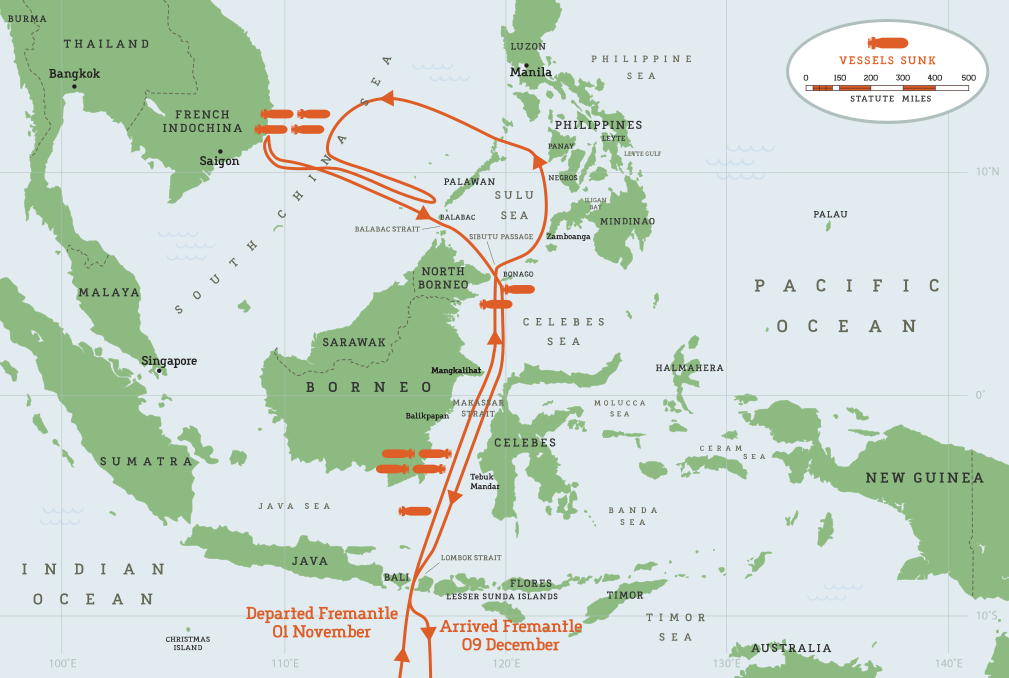
PATROL 2 – PRESIDENTIAL UNIT CITATION 1 November 1943 to 9 December 1943 On USS Bowfin’s second war patrol they sailed from Fremantle towards the South China Sea with a new commanding officer, LCDR Walter Thomas Griffith. This was LCDR Griffith’s first war patrol as commanding officer, before he had…Read More

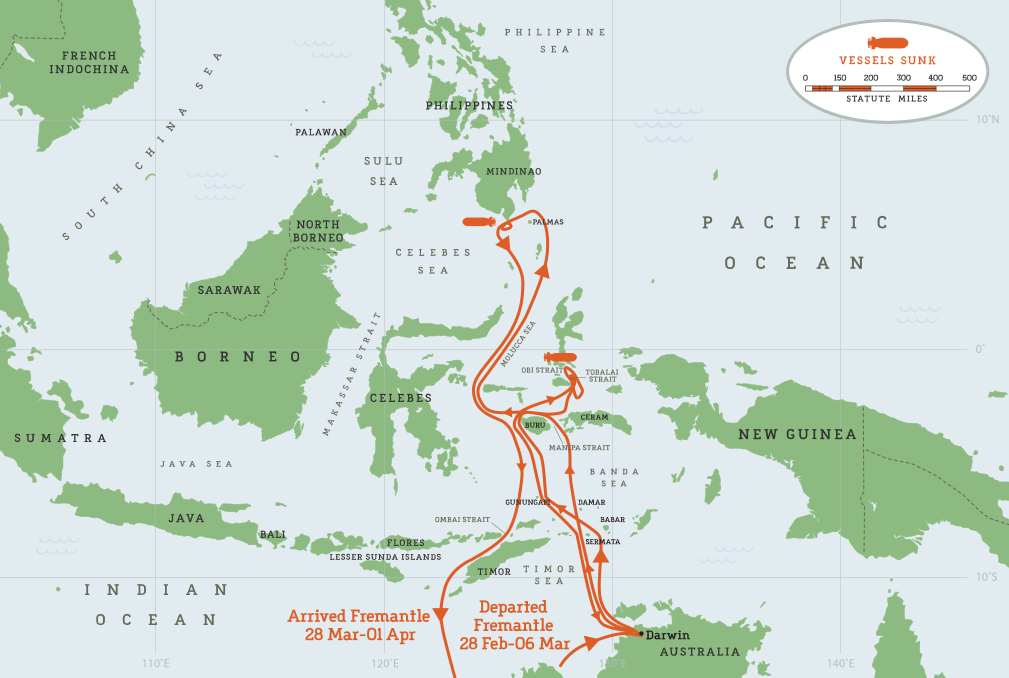
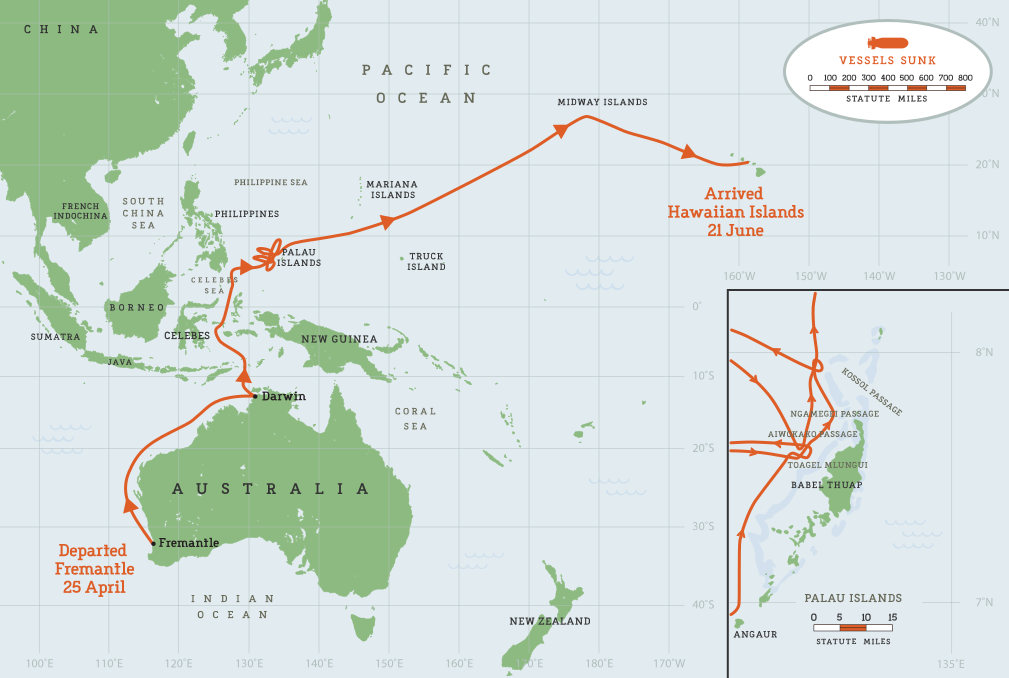
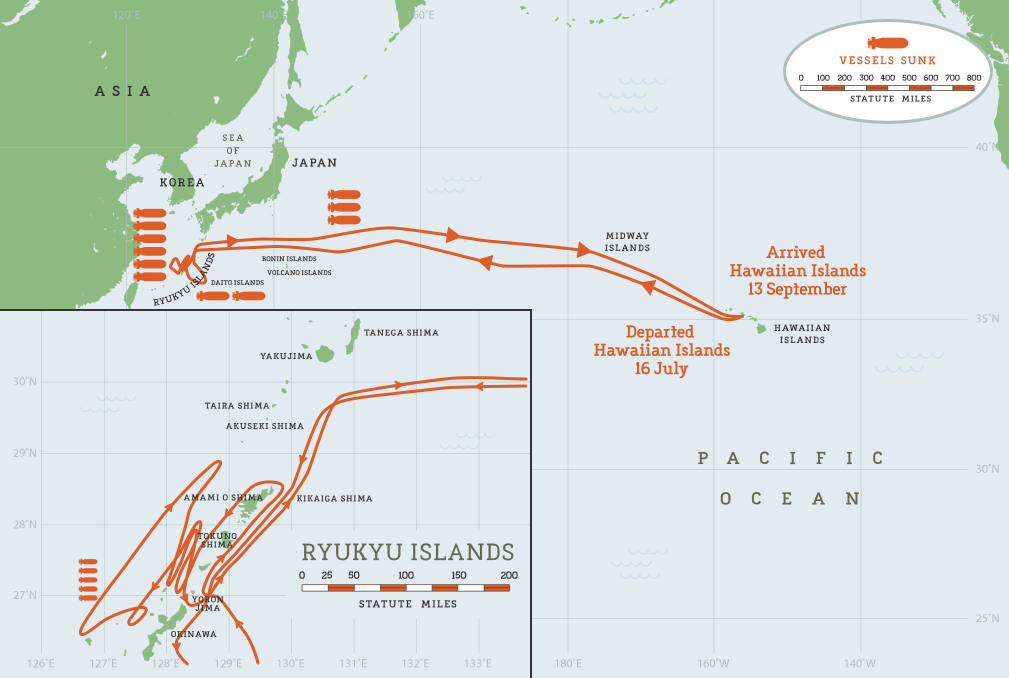

PATROL 7 – ZOOMIES WITH SQUIDS 25 January 1945 to 25 March 1945 After training and testing at Pearl were complete the crew embarked for Bowfin’s seventh war patrol on 25 January 1945. This patrol largely took place in the waters east of the Japanese mainland, and Bowfin’s secondary assignment…Read More


POST-WAR SUMMARY Bowfin’s four World War II commanding officers believed that she sank 179,646 tons (34 large vessels, plus 10 more under 500 tons) and damaged 33,934 tons (five large vessels plus two smaller ones) for a total of 213,580 tons sunk or damaged. The Joint Army-Navy Assessment Committee (JANAC)…Read More